In the realm of lighting design, beam angle plays a role in determining the effectiveness, ambiance, and functionality of a space. Whether it's accentuating architectural features, illuminating specific areas, or creating a desired atmosphere, choosing the right lighting is crucial. This article delves into why beam angle matters and how it plays into your lighting choices.
What Does Beam Angle Refer to:
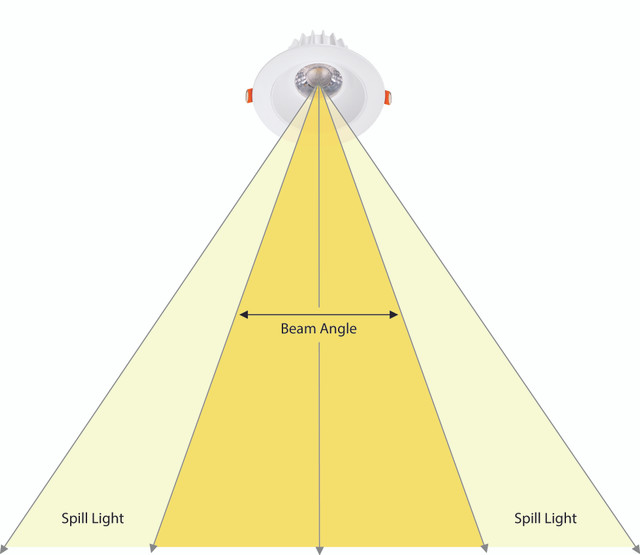
This critical aspect of lighting design impacts not only the functionality but also the ambiance and visual appeal of a room. Beam angle is a measure of light spread from the source. It indicates the angle of light distribution and determines how much area will be covered by light. Understanding this aids in efficient energy usage by minimizing light spillage and optimizing illumination where it's most needed. In essence, it is an element in lighting design that offers designers and contractors a versatile tool to craft captivating visual experiences in any space. While its impact on the room's brightness may be minimal, it has the potential to enhance the ambiance of your space with a subtle touch.
Why Certain Lights Give off Different Spreads:
Lighting fixtures offer various beam angles to serve different purposes in both functionality and aesthetics. Anti-glare recessed lights feature a focused beam angle of around 36 degrees, minimizing glare by directing light precisely where needed, whereas slim recessed lights offer a broad 120-degree angle. Gimbal fixtures can have various beam angles depending on the model and offer the ability to adjust the direction of the light itself by changing the angle of the head. Commercial downlights generally offer a medium 100-degree angle. Spotlights, with narrow angles ranging from 10 to 30 degrees, highlight specific areas or objects, whereas floodlights with wider angles range from 90 to 120 degrees or more. Strategically accentuating architectural details or decor elements with lighting adds depth and visual interest to the space, enhancing its overall atmosphere.
Color Temperature Relating to Beam Angle:
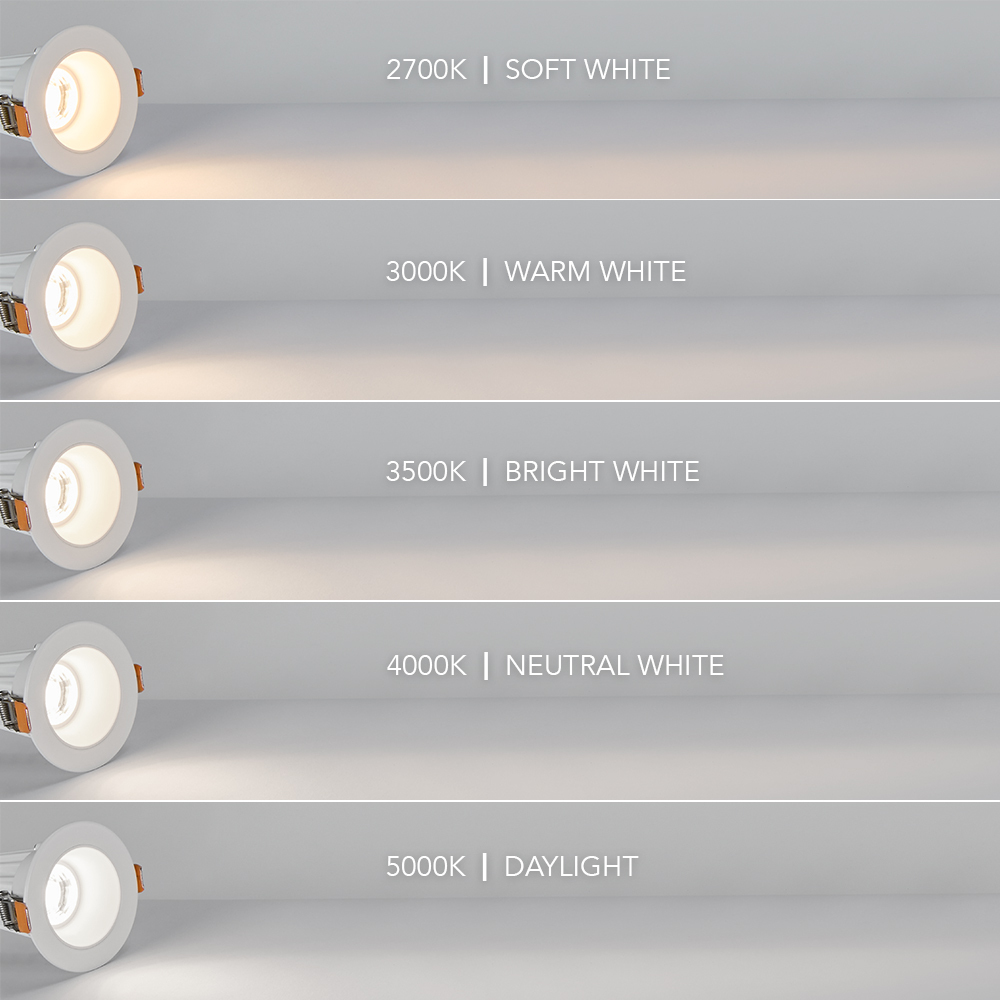
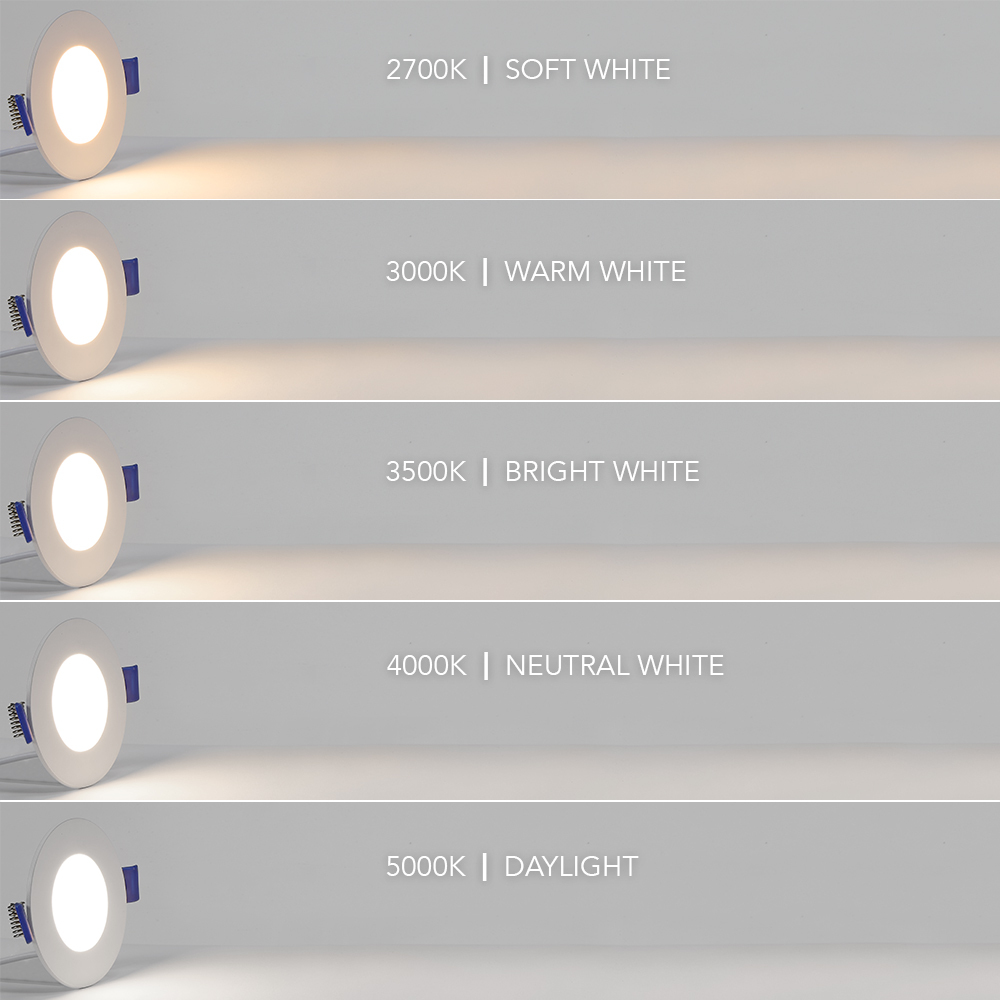
In lighting design, the relation between beam angle and color temperature is key in shaping the ambiance and functionality of a space. In various settings, the choice of lighting plays a crucial role in shaping the ambiance and functionality of the space. Adjusting beam angles and color temperatures can impact the atmosphere and usability of a space in various ways. Some combinations may create a cozy feel, while others can enhance brightness and focus. By skillfully blending these lighting elements, designers can craft environments that balance visual appeal with practicality, ultimately enhancing the overall experience for occupants and visitors.
The images below show an anti-glare downlight with a beam angle of 36 degrees and a slim downlight with a beam angle of 120 degrees.